- Empty cart.
- Continue Shopping

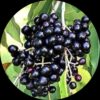
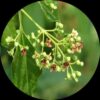
-41%


The images of the plants shown in this are for display only. The plant shipped to you will be of a size according to availability and shipping safety. Since the plant is a living organism, choose airshipping as much as possible on the checkout page to eliminate damage due to shipping delays.
Sinaruba (Bursera Simaraba)
₹1,660.00Current price is: ₹1,660.00. Original price was: ₹2,800.00.
? Sinaruba is a hardy tropical tree ? known for medicinal uses and fast growth. Fast delivery ? and 30% OFF!
Bring a touch of the tropics to your landscape with Sinaruba (Bursera simaruba) ??—popularly known as the Gumbo Limbo Tree, famous for its distinctive reddish peeling bark and excellent adaptability. This fast-growing tree is perfect for gardens, farms, and coastal landscapes ??.
At Ivy Paradise Plant, we offer over 15,000 premium plants ? with 30% OFF or more, making us one of the world’s largest online plant shops. Enjoy fast shipping ?, ensuring your plants arrive fresh and ready to grow!
? Why Choose Sinaruba (Gumbo Limbo Tree)?
- ? Fast Growing Tree – Quickly provides shade
- ? Unique Bark Texture – Attractive peeling reddish bark
- ? Medicinal Uses – Traditionally valued plant
- ? Salt & Drought Tolerant – Ideal for coastal areas
- ? Fast Shipping Available – Healthy plants delivered safely
? Growing & Care Tips
- ☀️ Sunlight: Full sunlight preferred
- ? Watering: Low to moderate watering
- ? Soil: Well-drained sandy or loamy soil
- ?️ Climate: Tropical and warm regions
- ? Spacing: Needs space for canopy growth
? Special Features
✔ Distinct red peeling bark ?
✔ Highly drought-resistant ?
✔ Suitable for landscaping & forestry ?
✔ Supports biodiversity ?
Add a strong, low-maintenance tropical tree ? to your garden and enjoy its natural beauty and resilience ?.
Add to cart
Buy Now
Sinaruba, botanically known as Bursera simaruba, is a striking tropical tree most famously called the Tourist Tree because its red, peeling bark resembles the sunburnt skin of a tourist. In various regions, it is also known as Gumbo Limbo or Copperwood.
While native to the tropical regions of the Americas, it has become a prized specimen in Indian botanical collections and dry-tropical landscapes due to its extreme drought tolerance and unique aesthetic.
Botanical Characteristics
-
Growth Habit: A medium-sized deciduous tree reaching $10$ to $15$ meters. It develops a thick, succulent-like trunk and a wide, spreading canopy that provides dappled shade.
-
The Bark (Signature Feature): The bark is smooth, shiny, and a vibrant copper-red. It peels away in thin, papery flakes to reveal a greyish-green underlayer. This “peeling” is a natural adaptation that allows the tree to photosynthesize even during the dry season when it has shed its leaves.
-
Foliage: The leaves are pinnately compound, with $7$ to $11$ leaflets. They have a glossy green finish and are typically shed during the peak of the dry summer to conserve moisture.
-
Flowers & Fruit: It produces small, inconspicuous greenish flowers in clusters. The fruit is a small, three-angled capsule that turns red when ripe, containing a single seed covered in a red fatty layer (aril) that is highly attractive to birds.
Environmental & Growing Conditions
This is one of the “toughest” trees for hot, arid, or coastal environments.
| Factor | Requirement |
| Climate | Thrives in tropical dry forests. It is exceptionally wind-resistant (often called “the hurricane tree”). |
| Temperature | Perfectly suited for intense heat, comfortably handling 38°C to 45°C. |
| Soil | Highly adaptable. It grows in poor, rocky, or sandy soils and is very salt-tolerant, making it ideal for coastal planting. |
| Watering | Low. Once established, it is extremely drought-tolerant. Overwatering or waterlogged soil is its primary enemy. |
| Sunlight | Requires full sun to maintain its vibrant bark color and sturdy structure. |
Primary Uses
1. Landscape & Ornamental
Because of its “sculptural” trunk and colorful bark, it is a favorite for:
-
Avenue Planting: It does not have invasive roots, making it safe for planting near sidewalks or walls.
-
Xeriscaping: A top choice for “water-wise” gardens that require minimal maintenance.
-
Living Fences: In its native range, branches are stuck into the ground to grow into “living fence posts.”
2. Traditional Medicine
-
Resin: The tree produces a fragrant, turpentine-like resin (Elemi) used traditionally as a varnish and for treating gout or skin infections.
-
Tea: An infusion of the bark is often used in folk medicine as a topical wash for skin sores or internally as a treatment for internal inflammation and fevers.
Cultivation & Maintenance Tips
-
Propagation: Remarkably easy to grow from large cuttings (truncheons) or seeds. Cuttings as thick as a human arm can be planted directly into the soil during the rainy season and will often take root.
-
Pruning: Requires very little pruning. It naturally forms a well-balanced canopy. Only remove crossing branches to showcase the beautiful red trunk.
-
Pest Resistance: The resin in the bark makes the tree highly resistant to termites and most boring insects.
-
Stability: Its wood is lightweight and flexible, which is why it rarely snaps during high-velocity winds or storms.
Why Feature Sinaruba in Your Shop?
-
The “Conversation Starter”: Its “Tourist Tree” nickname and peeling red bark make it an easy sell for home gardeners looking for something visually unique.
-
Low Maintenance: It is the definition of a “set it and forget it” tree, perfect for customers who want beauty without the heavy watering schedule.
-
Coastal Champion: For customers in coastal or high-heat areas, it is one of the most reliable survivors.


Reviews
There are no reviews yet.