- Empty cart.
- Continue Shopping

-30%

The images of the plants shown in this are for display only. The plant shipped to you will be of a size according to availability and shipping safety. Since the plant is a living organism, choose airshipping as much as possible on the checkout page to eliminate damage due to shipping delays.
Vallachandanam
₹320.00Current price is: ₹320.00. Original price was: ₹460.00.
? Vallachandanam is a premium Red Sandalwood tree ? valued for timber and medicinal uses. Fast delivery ? and 30% OFF!
Grow a highly valuable and rare tree with Vallachandanam (Red Sandalwood – Pterocarpus santalinus) ??—a premium forestry plant known for its rich red heartwood, medicinal properties, and high commercial value ?. This exotic tree is widely used in Ayurveda, woodcraft, and traditional applications ?✨.
At Ivy Paradise Plant, we offer over 15,000 premium plants ? with 30% OFF or more, making us one of the world’s largest online plant shops. Enjoy fast shipping ?, ensuring your plants arrive fresh and ready to grow!
? Why Choose Vallachandanam (Red Sandalwood)?
- ? High-Value Timber – Premium red heartwood
- ? Medicinal Uses – Used in Ayurveda
- ? Rare & Exotic Tree – Valuable forestry plant
- ? Long-Term Investment – High market demand
- ? Fast Shipping Available – Healthy plants delivered safely
? Growing & Care Tips
- ☀️ Sunlight: Full sunlight required
- ? Watering: Low to moderate watering
- ? Soil: Well-drained red or sandy soil
- ?️ Climate: Tropical and dry regions preferred
- ? Spacing: Needs space for long-term growth
? Special Features
✔ Premium red wood ?
✔ Drought-tolerant ?
✔ Suitable for forestry & farming ?
✔ Long lifespan tree ?
Invest in a sustainable future ? with this high-value and eco-friendly tree ??.
Add to cart
Buy Now
Vallachandanam, also known as Red Gliricidia or Mexican Lilac (Gliricidia sepium), is a versatile, fast-growing, deciduous leguminous tree. Though native to Central America, it has become deeply integrated into Indian agricultural landscapes, particularly in Kerala and Tamil Nadu, where it is prized for its ability to enrich the soil and provide high-quality green manure.
The name “Vallachandanam” in Malayalam roughly translates to “Fencing Sandalwood,” referring to its common use as a living fence and its sturdy, useful wood.
Botanical Characteristics
-
Growth Habit: A small to medium-sized tree, typically reaching $10$ to $12$ meters. It has a crown of spreading branches and can be easily managed as a shrub through regular pruning.
-
Foliage: The leaves are pinnately compound, with $7$ to $17$ leaflets. They are a soft, matte green and provide excellent shade during the growing season.
-
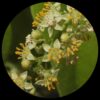
Flowers: One of its most striking features is the profuse pink to lilac pea-like flowers that cover the branches in early spring (usually when the tree is leafless). These flowers are edible in some cultures and are a major source of nectar for honeybees.
-
Fruit: Produces green pods that turn yellowish-brown and woody as they mature, eventually “popping” to release $4$ to $10$ flat, brown seeds.
Environmental & Growing Conditions
Vallachandanam is an exceptionally hardy “pioneer” species that can grow in degraded soils where other trees fail.
| Factor | Requirement |
| Climate | Thrives in humid tropical and subtropical lowlands. |
| Temperature | Highly heat-tolerant, performing best between 22°C and 40°C. |
| Sunlight | Requires full sun for maximum biomass production and flowering. |
| Soil | Highly adaptable; grows in acidic, alkaline, or even rocky soils. It is excellent for “reclaiming” poor land. |
| Watering | Drought-tolerant once established. It can survive long dry seasons by shedding its leaves to conserve moisture. |
Primary Uses
1. The “Green Manure” Champion
In organic farming, Vallachandanam is arguably the most important tree for soil health:
-
Nitrogen Fixation: Like other legumes, its roots house bacteria that fix atmospheric nitrogen into the soil.
-
Biomass: The leaves are rich in nitrogen, phosphorus, and potassium. Farmers regularly lop the branches and incorporate the leaves into the soil to act as a natural, slow-release fertilizer for crops like Coconut, Pepper, and Banana.
2. Living Fences & Support
-
Fencing: Because it grows easily from large cuttings (stakes), it is used to create “living fences” that protect crops from livestock while providing fodder.
-
Pepper Support: It is a preferred standard for climbing Black Pepper vines, as its rough bark provides a good grip and it doesn’t compete heavily for nutrients.
3. Pest Control
-
Rodenticide: The name Gliricidia means “mouse killer.” The bark and leaves contain substances that, when fermented with grain, act as a natural rodenticide (poison) for rats and mice.
-
Insect Repellent: Leaf extracts are sometimes used in traditional veterinary medicine to repel skin parasites on livestock.
Cultivation & Maintenance Tips
-
Propagation: Extremely easy to grow from seeds or large stem cuttings (stakes about $1$ to $1.5$ meters long). Cuttings planted during the monsoon take root almost $100\%$ of the time.
-
Pruning (Coppicing): To maximize leaf production for manure, the tree should be “lopped” (heavily pruned) twice a year—once before the monsoon and once after. It recovers very quickly.
-
Spacing: For boundary planting, space the trees $0.5$ to $1$ meter apart. For pepper support, follow the spacing of your primary crop.
Why Feature Vallachandanam in Your Shop?
-
The Organic Farmer’s Choice: It is an essential upsell for customers buying fruit trees (like Mamey Sapote or Abiu) who want a natural way to fertilize their soil.
-
Fast ROI: It provides a visible “green wall” and usable manure within the first year of planting.
-
Dual Beauty and Utility: It serves as a beautiful ornamental flowering tree in the spring and a hard-working agricultural tool the rest of the year.


Reviews
There are no reviews yet.