- Empty cart.
- Continue Shopping


-28%

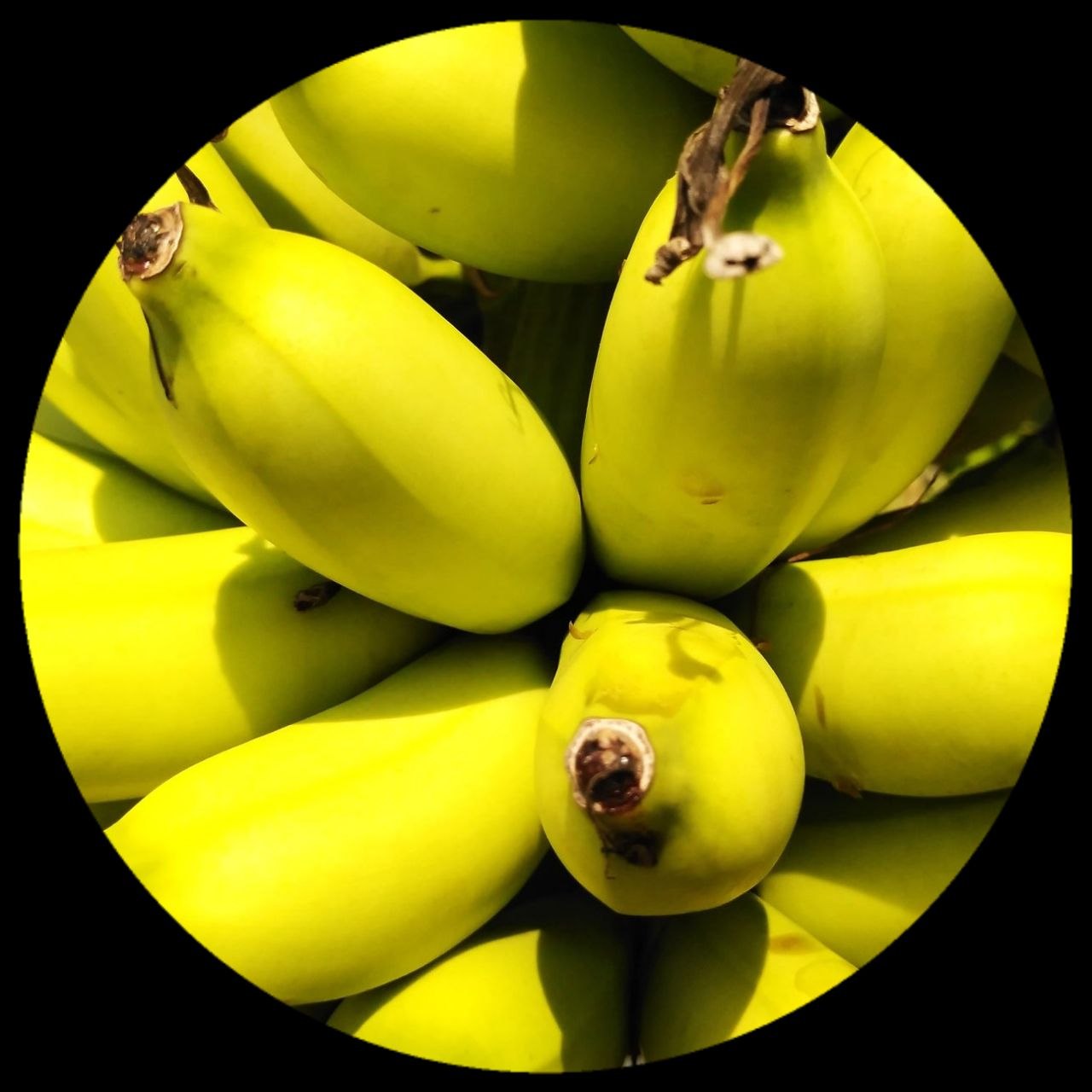
The images of the plants shown in this are for display only. The plant shipped to you will be of a size according to availability and shipping safety. Since the plant is a living organism, choose airshipping as much as possible on the checkout page to eliminate damage due to shipping delays.
Red Tiger Banana
₹2,800.00Current price is: ₹2,800.00. Original price was: ₹3,900.00.
Transform your garden into an exotic sanctuary when you Shop Buy the magnificent Red Tiger Banana! 🌿 Known botanically as Musa sikkimensis, this breathtaking cold-hardy banana plant showcases striking paddle-shaped leaves splashed with dramatic burgundy and maroon stripes. 🍃 Thriving both outdoors in temperate climates and inside bright sunrooms, it delivers instant lush, architectural impact. ✨ Enjoy fast-growing foliage that brings dramatic color contrast, creating a stunning centerpiece wherever planted. 🍌 Bring home pure paradise today with our healthy, premium plants! 🪴
Add to cart
Buy Now
Introduction to the Red Tiger Banana (Musa sikkimensis)
The Red Tiger Banana, botanically known as Musa sikkimensis ‘Red Tiger’, is one of the most mesmerizing and sought-after ornamental banana varieties in the world. Originating from the high-altitude forests of the northeastern Himalayas in Darjeeling, this remarkable plant brings a genuine slice of untamed jungle grandeur right into temperate gardens. Unlike traditional tropical bananas that perish at the first whisper of frost, the Red Tiger Banana pairs breathtaking visual allure with astonishing resilience, making it a dream specimen for collectors and garden enthusiasts alike.
Striking Visual Features and Growth Habit
What truly sets the Red Tiger Banana apart is its magnificent foliage. Each colossal paddle-shaped leaf emerges with dramatic, irregular maroon-to-burgundy tiger stripes across an olive-green canvas, anchored by a deep wine-red midrib. The undersides often glow with a rich reddish-purple hue when caught in golden afternoon light. Under ideal conditions, this rapid grower can reach towering heights of 10 to 14 feet, creating an imposing architectural presence and a dense tropical canopy in a single growing season.
Cold Hardiness and Landscape Versatility
Gardeners in cooler regions frequently search for tropical aesthetics without the annual heartbreak of winter loss. The Red Tiger Banana is famously cold-hardy down to USDA Zone 7 when properly mulched, as its subterranean pseudostem and rhizome system endure freezing temperatures far better than common garden bananas. It excels in numerous landscape applications:
- Exotic Focal Point: Serves as an unforgettable centerpiece in lawn borders or tropical garden beds.
- Privacy Screening: Rapid vertical growth and expansive foliage form a lush natural screen during summer.
- Patio Planters: Thrives in large decorative containers to embellish pool decks, terraces, and urban courtyards.
Optimal Lighting and Wind Protection
To produce the most vivid maroon patterning, your Red Tiger Banana requires ample sunlight. Plant it in a location that receives full sun to bright partial shade. While sun exposure intensifies the leaf coloration, safeguarding the specimen from harsh, whipping winds is equally crucial. Banana leaves are naturally prone to tearing along their lateral veins in strong gusts; planting against a sheltered wall, fence, or natural windbreak preserves the broad, pristine beauty of the foliage.
Watering, Soil, and Feeding Essentials
Because Musa sikkimensis grows with ferocious vigor throughout spring and summer, it demands generous nutrients and sustained moisture:
- Soil Composition: Plant in loose, loamy soil enriched with organic matter, compost, and excellent drainage to avoid root rot.
- Hydration Needs: Water thoroughly and regularly to maintain evenly moist soil, especially during peak heatwaves.
- Fertilization Routine: Apply a balanced, potassium-rich tropical fertilizer every two to three weeks during the active growth cycle.
Seasonal Overwintering and Maintenance
In temperate climates experiencing severe freezes, simple winter care guarantees strong resurgence each spring. After autumn’s first frost knocks back the top foliage, cut the main pseudostem down to approximately 12 to 18 inches. Cover the crown with a generous layer of dry straw, bark mulch, or leaves, topped with a breathable tarp to shed excess winter moisture. In spring, remove the mulch as soil temperatures rise, and witness vigorous new shoots surge upward for another vibrant season.


Reviews
There are no reviews yet.