- Empty cart.
- Continue Shopping

-28%


The images of the plants shown in this are for display only. The plant shipped to you will be of a size according to availability and shipping safety. Since the plant is a living organism, choose airshipping as much as possible on the checkout page to eliminate damage due to shipping delays.
Adasia (Kili Njaval)
₹275.00Current price is: ₹275.00. Original price was: ₹380.00.
? Kili Njaval is a wild jamun fruit plant ? with medicinal benefits. Fast delivery ? and 30% OFF!
Bring home the native goodness of Adasia (Kili Njaval) ??—a traditional wild jamun variety from the Syzygium family, cherished for its small, tangy-sweet fruits and medicinal properties. This hardy tree is perfect for home gardens, farms, and natural landscapes ?✨.
At Ivy Paradise Plant, we offer over 15,000 premium plants ? with 30% OFF or more, making us one of the world’s largest online plant shops. Enjoy fast shipping ?, ensuring your plants arrive fresh and healthy!
? Why Choose Kili Njaval (Adasia)?
- ? Tasty Wild Fruits – Small, tangy-sweet jamun berries
- ? Medicinal Value – Traditionally used for health benefits
- ? Native Tree – Well adapted to Indian climate
- ? Low Maintenance – Hardy and easy to grow
- ? Fast Shipping Available – Healthy plants delivered safely
? Growing & Care Tips
- ☀️ Sunlight: Full sun to partial shade
- ? Watering: Moderate watering required
- ? Soil: Well-drained, fertile soil
- ?️ Climate: Tropical and subtropical regions
- ? Spacing: Allow space for tree growth
? Special Features
✔ Native fruit tree ?
✔ Attracts birds ?
✔ Drought-tolerant once established ?
✔ Ideal for home gardens & farms ?
Enjoy fresh, natural fruits ? and create a healthy green environment with this traditional and beneficial tree ?.
17% Discount on fruit plants. Its coupon code is on the checkout page.
Add to cart
Buy Now
Adasia, commonly known as Kili Njaval (Small Jamun) or Wild Black Plum (Syzygium caryophyllatum), is a charming, small to medium-sized evergreen tree native to the Western Ghats and coastal regions of South India. While it is a close relative of the larger, commercial Jamun (Syzygium cumini), the Kili Njaval is prized for its petite, intensely flavored fruits and its high ornamental and medicinal value.
Botanical Characteristics
-
Growth Habit: A bushy, spreading tree that typically grows between $3$ and $8$ meters. It is much more compact than the standard Jamun, making it suitable for smaller gardens or as a thick hedge.
-
Foliage: The leaves are thick, leathery, and obovate (spoon-shaped). They have a polished, dark green appearance and emit a pleasant herbal aroma when crushed.
-
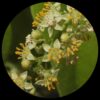
Flowers: It produces clusters of small, fragrant, creamy-white flowers with numerous prominent stamens, giving them a “fuzzy” look. These are a favorite for honeybees and butterflies.
-
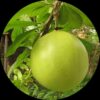
Fruit (The “Bird” Jamun): The name Kili Njaval (Bird’s Jamun) comes from its small size—roughly the size of a large pea. The berries turn from green to a glossy, deep purple-black when ripe.
-
Flavor: The fruit is juicy and sweet with a characteristic astringent aftertaste. It is packed with antioxidants and anthocyanins.
Environmental & Growing Conditions
This species is incredibly resilient and well-adapted to the hot, humid conditions of South India.
| Factor | Requirement |
| Climate | Thrives in tropical climates. It is highly resistant to heavy monsoon rains and coastal winds. |
| Temperature | Suited for regions between 20°C and 42°C. It handles the intense heat of Trichy and surrounding areas exceptionally well. |
| Sunlight | Prefers full sun but can tolerate partial shade, though fruiting will be more prolific in open light. |
| Soil | Highly adaptable; grows well in sandy, loamy, or even slightly laterite soils. It can tolerate seasonal waterlogging. |
Primary Uses & Benefits
1. Culinary & Wildlife
-
Foraging: The fruits are enjoyed fresh by children and adults alike. Because of their high pectin content, they are excellent for making small-batch jams or syrups.
-
Biodiversity: As the name suggests, it is one of the best trees for attracting birds (like bulbuls and sunbirds) to a garden. It serves as a vital food source for local fauna.
2. Traditional Medicine (Siddha & Ayurveda)
-
Diabetes Management: Like its larger cousin, the seeds and bark of Kili Njaval are used in traditional medicine to help regulate blood sugar levels.
-
Digestive Health: The bark decoction is often used as a remedy for diarrhea and stomach aches due to its high tannin content.
-
Antioxidant Power: The deep pigments in the fruit are known for their anti-inflammatory properties.
3. Landscaping
-
Privacy Screening: Due to its dense, evergreen foliage and bushy habit, it is an ideal candidate for “living fences” or privacy screens.
-
Bonsai: Because of its small leaves and rugged bark, it is a popular choice for tropical bonsai enthusiasts.
Cultivation & Maintenance Tips
-
Propagation: Primarily grown from seeds. Fresh seeds should be sown immediately as they lose viability quickly. It can also be propagated through air-layering.
-
Watering: Young saplings need regular watering for the first year. Once the root system is established, the tree is quite drought-hardy.
-
Pruning: Responds very well to pruning. To maintain a “shrub” look or a hedge, prune the lead branches once a year after the fruiting season.
-
Pest Watch: Generally pest-resistant, though it can occasionally be visited by leaf-eating caterpillars during the flush of new growth.
Why Feature Kili Njaval in Your Shop?
-
The “Native Fruit” Trend: There is a growing market for indigenous, “forgotten” fruits that require zero pesticides.
-
Space-Efficient: It offers all the benefits of a Jamun tree but in a size that fits modern residential plots.
-
High ROI for Homeowners: It’s a low-maintenance, “plant and forget” tree that provides shade, fruit, and birdlife.


Reviews
There are no reviews yet.