- Empty cart.
- Continue Shopping

-34%


The images of the plants shown in this are for display only. The plant shipped to you will be of a size according to availability and shipping safety. Since the plant is a living organism, choose airshipping as much as possible on the checkout page to eliminate damage due to shipping delays.
Sweet Arecanut
₹1,230.00Current price is: ₹1,230.00. Original price was: ₹1,870.00.
? Sweet Arecanut (Supari) is a premium natural nut ? known for its mild sweetness and traditional uses. Fresh quality with fast delivery ? and 30% OFF!
Experience the rich tradition and natural taste of Sweet Arecanut (Supari) ??—a premium quality betel nut known for its mild sweetness, freshness, and cultural significance. Carefully selected and processed, this arecanut is perfect for traditional use, hospitality, and daily consumption.
At Ivy Paradise Plant, we bring you top-quality natural products ? with 30% OFF or more, making us one of the world’s largest online plant and agri-product stores. Enjoy fast shipping ?, ensuring your product reaches you fresh and ready to use!
? Why Choose Sweet Arecanut?
- ? Naturally Sweet Taste – Smooth and pleasant flavor
- ? Premium Quality – Carefully selected and processed
- ? Traditional Use – Widely used with betel leaves (paan)
- ? Fresh & Hygienic Packaging – Ensures quality and purity
- ? Fast Shipping Available – Quick delivery across India
? Uses of Sweet Arecanut
- ? Traditional paan preparation
- ? Cultural and festive use
- ?️ Mouth freshener after meals
- ? Ayurvedic and herbal applications
? Special Features
✔ Mild sweet flavor ?
✔ Natural and authentic product ?
✔ Long shelf life ?
✔ Suitable for daily and traditional use ?
Add tradition and taste to your lifestyle ? with this premium Sweet Arecanut—perfect for every occasion ?.
Add to cart
Buy Now
Sweet Areca Nut (also known as Sweet Supari or Honey-Coated Areca) is a popular value-added version of the traditional Areca nut (Areca catechu). Unlike the raw, astringent nut used in traditional “paan,” Sweet Areca Nut is processed to be a palatable, mouth-freshening snack often consumed after meals.
What makes it “Sweet”?
The processing of Sweet Areca Nut involves several steps to transform the hard, bitter seed into a flavorful treat:
-
Selection: High-quality, mature nuts are harvested and husked.
-
De-tanning: The nuts are often boiled to reduce the concentration of tannins, which are responsible for the “dry” or “puckering” sensation in the mouth.
-
Flavor Infusion: The nuts are sliced or cubed and then soaked in a mixture of sugar syrup, honey, or jaggery.
-
Aromatic Coating: They are further enhanced with natural aromatics like menthol, cardamom, clove, and sandalwood oil. Some premium varieties also include a coating of silver foil (vark).
Botanical Origin: The Areca Palm
-
Growth Habit: A slender, tall, unbranched evergreen palm that can reach heights of $12$ to $20$ meters.
-
Climate: Thrives in humid tropical environments. It is a staple crop in regions with heavy rainfall and warm temperatures (25°C to 38°C).
-
Soil: Prefers deep, well-drained fertile clay loams. It is sensitive to waterlogging and extreme drought.
Key Characteristics of the Product
| Feature | Description |
| Texture | Varies from “Soft” (processed while semi-ripe) to “Crunchy” (dried mature nuts). |
| Flavor Profile | A balance of cooling menthol, spicy cardamom, and a lingering sweetness. |
| Shelf Life | Because it is dried and sugar-coated, it has a long shelf life (typically 6–12 months) when stored in airtight containers. |
| Usage | Primarily used as a digestive aid and breath freshener (Mukhwas). |
Cultivation & Harvesting Insights
For growers and suppliers, the quality of the “Sweet” end-product depends heavily on the harvest timing:
-
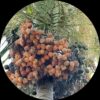
Chali (Whole Dried Nut): Harvested when fully ripe (orange/red). These provide the crunchy texture for “Diamond Cut” sweet supari.
-
Iravan (Soft Nut): Harvested while still slightly green and tender. These are used for “Lacha” or shredded sweet varieties which are easier to chew.
-
Sun Protection: In hot climates like Trichy, young Areca palms require shading (often intercropped with bananas) to prevent stem bleeding and sunscorch until they develop a sturdy canopy.
Traditional Significance
In Indian culture, the Areca nut is more than just a snack; it is a symbol of hospitality and auspiciousness. Providing “Sweet Areca” after a feast is a standard gesture of respect. In the Siddha tradition, controlled amounts of processed areca nut are believed to stimulate salivary glands and aid in the initial stages of digestion.
Maintenance for Growers
-
Watering: Areca palms require consistent moisture. Drip irrigation is highly recommended to maintain humidity around the root zone without wasting water.
-
Fertilization: Responds well to organic mulching and nitrogen-rich fertilizers applied during the pre-monsoon and post-monsoon seasons.
-
Pest Watch: Keep an eye out for Mahali (Fruit Rot) during heavy rains and Mites during dry, dusty months.
Would you like me to draft a series of “humanized” product reviews or an SEO-optimized product title and description for your Sweet Arecanut listings?


Reviews
There are no reviews yet.