- Empty cart.
- Continue Shopping

-30%

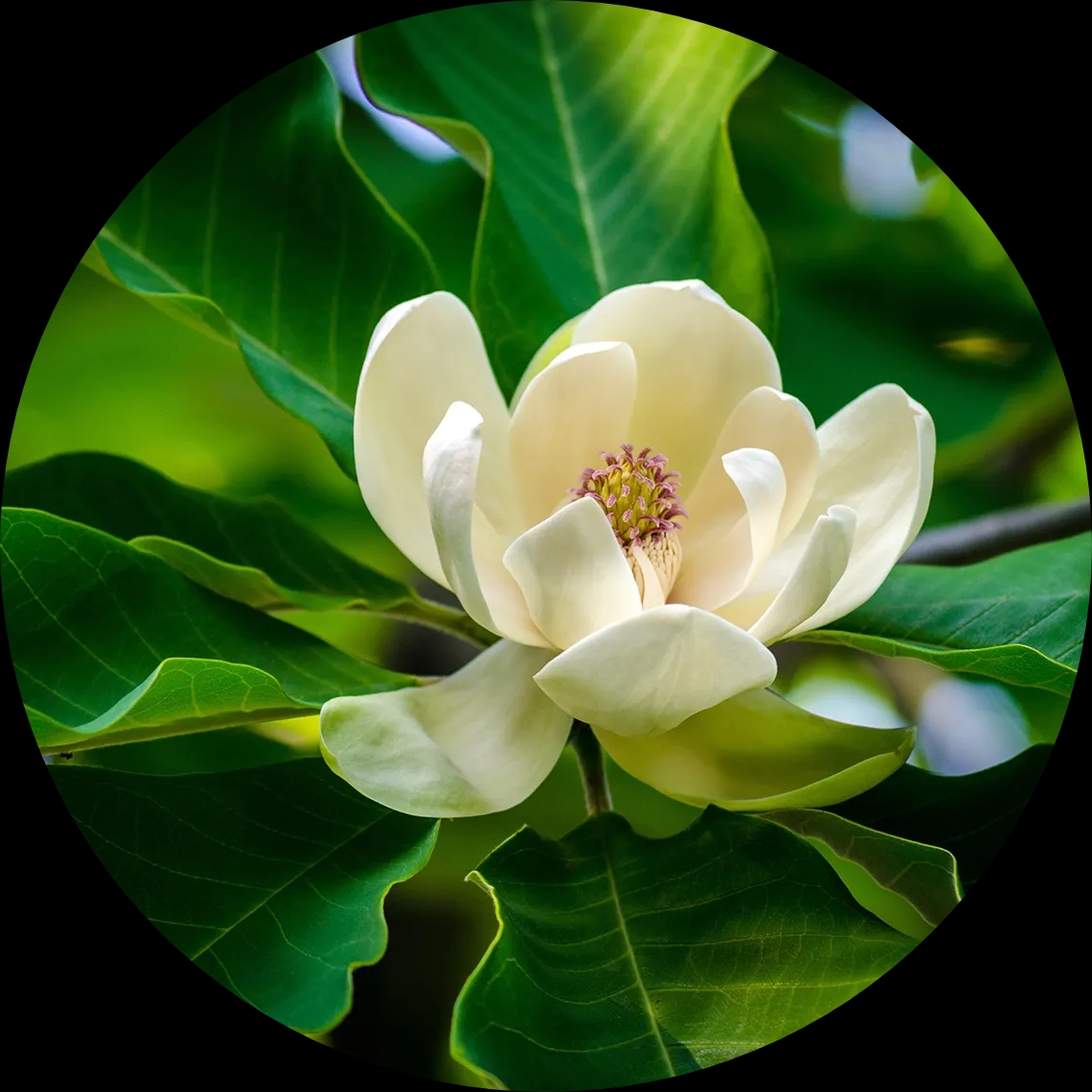
The images of the plants shown in this are for display only. The plant shipped to you will be of a size according to availability and shipping safety. Since the plant is a living organism, choose airshipping as much as possible on the checkout page to eliminate damage due to shipping delays.
Peralum (Karutha Elakka)
₹775.00Current price is: ₹775.00. Original price was: ₹1,100.00.
? Karutha Elakka (Black Cardamom) is a bold aromatic spice ? perfect for rich curries and masalas. Premium quality with fast delivery ? and 30% OFF!
Experience the deep, smoky aroma of Peralum (Karutha Elakka / Black Cardamom) ?✨—a premium spice widely used in Indian and Asian cuisines. Known for its strong flavor and rich fragrance, this spice adds depth and authenticity to your favorite dishes ?.
At Ivy Paradise Plant, we offer high-quality spices and plants ? with 30% OFF or more, making us one of the world’s largest online plant and spice stores. Enjoy fast shipping ?, ensuring your product arrives fresh and full of aroma!
? Why Choose Karutha Elakka?
- ? Strong Smoky Aroma – Enhances curries, biryanis & gravies
- ? Essential Spice – Key ingredient in garam masala
- ? Premium Quality Pods – Carefully selected and dried
- ? Traditional & Herbal Uses – Known in Ayurveda
- ? Fast Shipping Available – Fresh spices delivered quickly
?️ Uses of Black Cardamom
- ? Flavoring curries and biryanis
- ? Spice blends like garam masala
- ? Soups and slow-cooked dishes
- ☕ Herbal and medicinal preparations
? Special Features
✔ Bold and smoky flavor ?
✔ Larger pods than green cardamom ?
✔ Long shelf life ?
✔ Essential kitchen spice ?
Bring authentic taste and aroma to your cooking ? and elevate your dishes with this powerful spice ?.
Add to cart
Buy Now
Peralum, widely known as Karutha Elakka (Black Cardamom) or Hill Cardamom (Amomum subulatum), is a highly aromatic spice and a vital medicinal plant. While it is a relative of the Green Cardamom (Elettaria cardamomum), it possesses a distinctly different flavor profile—smoky, bold, and earthy—due to the traditional drying process over open fires.
Botanical Characteristics
-
Growth Habit: A robust, perennial herbaceous plant with thick rhizomes (underground stems). It grows in large clumps and can reach heights of $1.5$ to $3$ meters.
-
Foliage: The leaves are long, lance-shaped, and dark green, resembling ginger or turmeric leaves but much larger.
-
Flowers: Pale white to yellowish flowers emerge in dense, short spikes near the base of the plant (at ground level).
-
Fruit (The Spice): The pods are dark brown to black, oblong, and roughly $2$ to $3$ cm long. They have a thick, wrinkled, and somewhat leathery skin containing numerous small, sticky, black seeds.
Environmental & Growing Conditions
| Factor | Requirement |
| Climate | Thrives in cool, humid, and mountainous subtropical regions. It is more cold-tolerant than Green Cardamom. |
| Temperature | Prefers a range of 10°C to 30°C. In hotter lowland regions (like Trichy), it requires significant shade and high humidity to survive. |
| Soil | Requires deep, well-drained, forest-loam soil rich in organic matter (humus). It is very sensitive to waterlogging. |
| Sunlight | Needs partial to heavy shade. It is naturally an understory plant in evergreen forests. |
Culinary vs. Medicinal Profiles
1. Culinary Use
Unlike Green Cardamom, which is used in sweets, Karutha Elakka is almost exclusively used in savory, heavy dishes:
-
Smoky Depth: The pods are dried over a wood fire, giving them a “bacon-like” or “campfire” aroma.
-
Spice Blends: A key ingredient in Garam Masala, meat curries, stews, and long-simmered broths.
-
Rice Dishes: It provides a base earthy note to Biryani and Pulao that cannot be replicated by other spices.
2. Traditional Medicine (Siddha & Ayurveda)
-
Digestive Stimulant: Used to treat stomach aches, flatulence, and “Agni-mandya” (poor digestion).
-
Respiratory Support: The seeds are often chewed to alleviate coughs, bronchitis, and asthma due to their warming properties.
-
Oral Health: Chewing the seeds is a traditional remedy for gum infections and bad breath.
-
Detoxification: It is believed to help neutralize the effects of certain toxins and is used in anti-poisoning formulations.
Cultivation & Harvesting
-
Propagation: Best grown through rhizome division for faster results, though seeds can be used (germination takes $30$ to $90$ days).
-
Harvesting: The pods are harvested when they turn dark reddish-brown. They are then dried in “Bhattis” (traditional ovens) to develop their signature smoky flavor.
-
Pest Management: Generally hardier than Green Cardamom but should be monitored for Rhizome Rot and Leaf Spot during heavy monsoon seasons.
Why Grow or Sell Peralum?
For a botanical shop, Peralum represents a dual-purpose product: an essential “Big Spice” for the kitchen and a potent “Healing Herb” for the home pharmacy. It is particularly valued by collectors of Zingiberaceae (ginger family) plants for its lush, tropical appearance.


Reviews
There are no reviews yet.