- Empty cart.
- Continue Shopping

-35%


The images of the plants shown in this are for display only. The plant shipped to you will be of a size according to availability and shipping safety. Since the plant is a living organism, choose airshipping as much as possible on the checkout page to eliminate damage due to shipping delays.
Bayberry (Myrica Esculenta)
₹1,080.00Current price is: ₹1,080.00. Original price was: ₹1,650.00.
? Shop Buy Bayberry (Myrica esculenta) – The Himalayan Kafal Superfruit! ?
Also known as Box Myrtle, Kaafal, or Sohphie – this incredible tree from the Himalayan foothills produces clusters of purple-red, berry-like fruits that taste like a sweet-tart explosion of wild berries! ?️?
? Why it’s so special:
-
Unique flavor – sweet, tart, slightly spicy, absolutely addictive! ?
-
Superfruit status – packed with antioxidants & vitamin C ?
-
Medicinal treasure – used in Ayurveda & traditional medicine ?
-
Cold hardy – thrives in hills & mountains! ❄️
-
Aromatic leaves – the whole tree smells wonderful ?
? Over 30% Off – limited Himalayan stock!
? Fast shipping – live plants & viable seeds
? From the world’s largest online plant shop – trusted by 15,000+ plant lovers
Grow your own piece of the Himalayas today! ?️?
Add to cart
Buy Now
? Bayberry (Myrica esculenta) – The Himalayan Superfruit You’ve Never Heard Of!
Hey there, fruit adventurer! ? Have you ever walked through the misty hills of Uttarakhand, Nepal, or Bhutan in early summer and seen local children with purple-stained fingers and huge smiles? They’ve been eating Kafal – the legendary Himalayan bayberry! ?️?
? What is Bayberry (Kafal)?
Myrica esculenta (also known as Myrica nagi or Box Myrtle) is a small to medium-sized evergreen tree native to the Himalayan region – from India and Nepal through to China, Japan, and Southeast Asia! It thrives at altitudes of 900-2,100 meters (3,000-7,000 feet) and produces one of the most unique fruits you’ll ever taste. ?
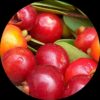
The fruit is a small, purple-red, berry-like drupe that grows in dense clusters along the branches – like nature’s own candy necklace! When ripe, they’re juicy, sweet-tart, and slightly spicy with a piney, aromatic undertone that comes from the tree’s fragrant leaves. ?
? The Flavor – A Himalayan Secret!
Imagine this combination:
-
Wild blueberries with extra tartness ?
-
Cranberries but sweeter
-
Slight spicy kick (like a hint of black pepper) ?️
-
Pine/resin notes from the aromatic leaves
-
Perfect balance of sweet, sour, and spice!
One bite and you’ll understand why Kafal is a cultural treasure across the Himalayas. Children wait all year for Kafal season – and so will you! ?
? Cultural Significance:
In the Kumaon and Garhwal regions of Uttarakhand, Kafal is more than just a fruit – it’s a celebration! Local folklore says: “Jyaan lagyi Kafal pakyi, tyaan lagyi Bhotiya aagi” – “When Kafal ripens, the Bhotiya (tribal) women arrive to collect them!” It’s a sign of summer’s arrival and a time for community feasting! ?
? Incredible Health Benefits – A True Superfruit!
Bayberry has been used for centuries in Ayurveda, Traditional Chinese Medicine (TCM), and Himalayan folk medicine:
| Benefit | Traditional Use |
|---|---|
| ? Antioxidant powerhouse | Fights free radicals, high in flavonoids |
| ? Anti-inflammatory | Used for joint pain & arthritis |
| ? Digestive aid | Treats diarrhea, dysentery & indigestion |
| ? Respiratory health | Used for coughs, asthma & bronchitis |
| ? Oral health | Chewing bark for toothache & gum health |
| ? Blood purifier | Traditional detox remedy |
| ? Brain health | Used as a nervine tonic |
| ? Natural energy | Rich in natural sugars & vitamin C |
? Other Uses of the Bayberry Tree:
-
Leaves – Aromatic, used in teas and traditional medicine ?
-
Bark – Used for tanning and natural dyes ?
-
Wood – Hard and durable, used for tools and handles
-
Wax – Some Myrica species produce aromatic wax for candles! ?️
✨ Why Our Customers Love This Plant:
-
Over 30% Off – Himalayan treasure at a hill-station price! ?
-
Fast Shipping – healthy plants & fresh seeds ??
-
Trusted by 15,000+ plant families – we’re the world’s largest online plant shop ?
? How to Grow Your Bayberry Tree:
| Requirement | Detail |
|---|---|
| ☀️ Sunlight | Full sun to partial shade |
| ? Water | Moderate – water regularly, good drainage |
| ?️ Climate | Subtropical to temperate – loves hills! ?️ |
| ❄️ Cold tolerance | Excellent – can handle frost (down to 20°F / -7°C)! |
| ?️ Heat tolerance | Moderate – prefers cooler mountain climates |
| Soil | Well-draining, acidic to neutral (pH 5.0-7.0) |
| Pot size | 15-20 gallons for container growing |
| Time to fruit | 3-5 years from seed, 2-3 years from grafted plant ? |
| USDA Zone | 7-10 (yes, it grows in cooler zones!) ❄️ |
?️ How to Eat & Use Bayberry (Kafal):
-
Fresh & raw – straight off the tree (the classic way!) ?
-
Juice – refreshing Kafal juice is a Himalayan summer staple ?
-
Jam & jelly – makes incredible purple preserves ?
-
Wine – traditional Himalayan Kafal wine! ?
-
Chutney – spicy-sweet Kafal chutney with meals ?️
-
Dried – like Himalayan raisins
-
Yogurt topping – swirl into dahi or curd ?
Click “Buy Now” and bring the magic of the Himalayas to your garden! ???️



Reviews
There are no reviews yet.