- Empty cart.
- Continue Shopping


-27%
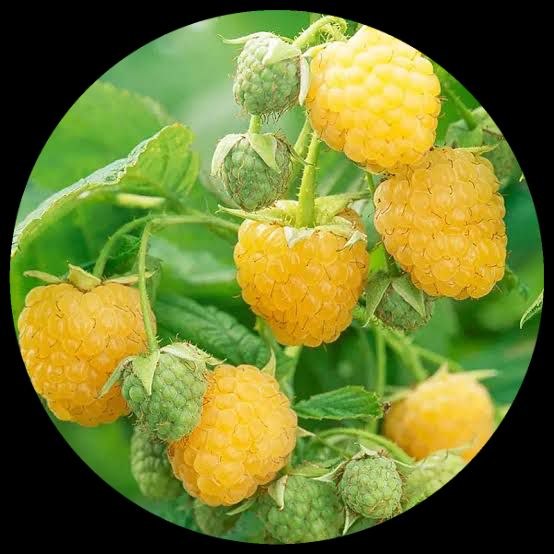
The images of the plants shown in this are for display only. The plant shipped to you will be of a size according to availability and shipping safety. Since the plant is a living organism, choose airshipping as much as possible on the checkout page to eliminate damage due to shipping delays.
Yellow Raspberry plant
₹4,250.00Current price is: ₹4,250.00. Original price was: ₹5,800.00.
Shop Buy the extraordinary Yellow Raspberry plant from Ivy Paradise and elevate your edible landscape! 🌿 This unique perennial bush yields abundant harvests of golden-hued, honey-sweet berries that are far less tart than traditional red varieties. 🍯 Perfect for garden beds, containers, or backyard borders, these vigorous growers thrive in full sun and well-draining soil. ☀️ Enjoy organic, gourmet raspberries picked fresh all summer into autumn. Hardy, disease-resistant, and low-maintenance, they bring beauty and bountiful flavor right to your home garden! 💛
Add to cart
Buy Now
Introduction to Yellow Raspberry Plants
The Yellow Raspberry plant is a show-stopping perennial fruit bush that brings unexpected color and exceptional sweetness to your backyard. Unlike standard red raspberries, yellow varieties produce luminous golden-amber drupelets with a milder, less acidic flavor profile. These vigorous canes thrive in temperate gardens and adapt readily to raised beds, fence lines, and spacious patio containers, making homegrown fruit accessible to all gardeners.
Flavor Profile and Culinary Delights
Yellow raspberries are celebrated among chefs and home gardeners for their refined, honey-like sweetness accompanied by subtle apricot undertones. Their lower acidity makes them a gentle treat for fresh snacking right off the cane. In the kitchen, these golden berries make visually stunning preserves, summer salads, tarts, and cocktail garnishes. Because birds are naturally less attracted to yellow fruit than red berries, you will also enjoy significantly higher yields at harvest time.
Sunlight, Soil, and Planting Guidelines
To ensure a heavy harvest and vigorous vegetative growth, provide your raspberry plants with optimal growing conditions from day one:
- Sunlight: Plant in full sun where the bush receives at least 6 to 8 hours of direct sunlight each day.
- Soil Type: Choose loamy, organically rich soil with sharp drainage to prevent root moisture issues.
- pH Level: Maintain a slightly acidic soil pH between 5.8 and 6.5 for peak nutrient uptake.
- Spacing: Space canes 2 to 3 feet apart in rows set 6 to 8 feet apart to promote healthy airflow.
Watering and Feeding Requirements
Consistent moisture is key during fruit set and development. Water deeply once or twice weekly, delivering approximately one to two inches of water per week depending on ambient rainfall. Mulch heavily with organic straw or bark chips around the base to conserve moisture and suppress competing weeds. Feed in early spring with a balanced, slow-release organic berry fertilizer to support strong canes and prolific summer-to-fall blooming.
Pruning, Maintenance, and Winter Care
Proper pruning ensures vigorous cane production year after year. As an everbearing variety, your yellow raspberry can produce fruit in late summer on first-year canes and again the following summer on second-year wood:
- Cut back spent floricanes to ground level immediately after fruiting concludes.
- Thin out weak, crowded canes each spring to maximize light penetration and air circulation.
- Install a simple trellis or support wire system to keep heavy fruiting canes upright and clean.
- Apply an extra layer of protective mulch around the crown before hard winter freezes.
Why Shop with Ivy Paradise
At Ivy Paradise, we deliver healthy, nursery-grown plants directly from our greenhouses to your doorstep. Each Yellow Raspberry cane is carefully inspected, securely packaged, and shipped with robust root systems ready to establish quickly in your garden. Start growing your dream orchard today and enjoy fresh, golden berries harvested steps from your kitchen!


Reviews
There are no reviews yet.