- Empty cart.
- Continue Shopping

-31%
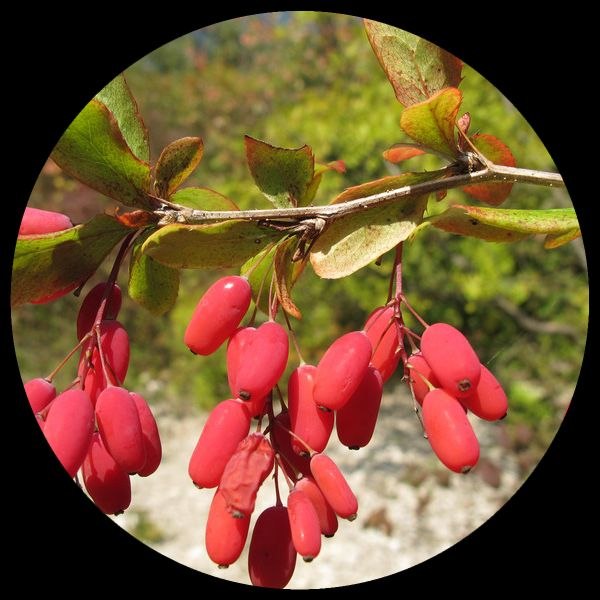
The images of the plants shown in this are for display only. The plant shipped to you will be of a size according to availability and shipping safety. Since the plant is a living organism, choose airshipping as much as possible on the checkout page to eliminate damage due to shipping delays.
European Barberry (Simply Barberry)
₹3,850.00Current price is: ₹3,850.00. Original price was: ₹5,600.00.
Welcome to Ivy Paradise! Shop Buy our resilient European Barberry (Simply Barberry) to add timeless structure, vibrant seasonal foliage, and ornamental red berries to your home landscape 🌿. Renowned for its vigorous habit and thorny stems, this deciduous shrub serves as an exceptional protective hedge or border accent 🏡. In spring, delicate yellow blossoms emerge, followed by scarlet berries that persist into winter, providing valuable sustenance for local songbirds 🐦. Incredibly cold-hardy, drought-tolerant, and adaptable to diverse soil types, it is a low-maintenance favorite 🌸✨.
Add to cart
Buy Now
Introduction to European Barberry
European Barberry (Berberis vulgaris), also known as Simply Barberry or Common Barberry, is a historic and highly dependable deciduous shrub cherished across continents for its resilient growth habit, vibrant seasonal color, and multifaceted utility in garden landscapes. Originating in central and southern Europe, western Asia, and northwest Africa, this hardy shrub has secured its place in botanical history both as an ornamental powerhouse and as a functional hedgerow plant. European Barberry produces arching gray-brown branches adorned with distinctive three-part spines, giving it a natural architectural form while providing an effective barrier for boundary plantings.
Key Aesthetic and Functional Features
Throughout the seasons, European Barberry offers an ever-evolving showcase of visual interest. In mid to late spring, pendulous racemes of small, fragrant yellow flowers appear, creating an eye-catching contrast against the fresh green to obovate foliage. By late summer and early autumn, these blossoms give way to drooping clusters of oblong, vivid scarlet berries that often persist well into the chilly winter months.
- Vibrant Flowers: Scented yellow blossoms bloom in drooping clusters throughout spring.
- Ornamental Winter Berries: Bright red, oblong berries hang decoratively long after leaves drop.
- Natural Protective Barrier: Sharp spines along woody stems make it an ideal defensive boundary or privacy hedge.
- Four-Season Appeal: Offers lush spring foliage, summer flowers, fall tones, and winter berries.
Ideal Growing Conditions and Planting
European Barberry is renowned for its sheer durability and adaptability. It establishes easily in full sun to partial shade, though the brightest foliage coloration and heaviest fruit sets occur when the shrub receives at least six hours of direct sunlight each day. This plant tolerates a wide spectrum of soil textures, performing admirably in sandy loams, heavy clays, and gravelly ground provided drainage is adequate. Once roots take hold, European Barberry exhibits excellent drought resistance and handles urban pollution, salt spray, and alkaline pH conditions with ease.
Pruning, Care, and Maintenance
One of the primary benefits of planting European Barberry is its low-demand lifestyle. Minimal supplemental watering is required once established, only needing moisture during extended summer droughts. For hedge plantings or formal shaping, light pruning should be conducted immediately following the spring flowering period to maintain density and shape without removing the nascent ornamental fruit. Thinning older woody stems every few years encourages vigorous new growth and improves airflow within the shrub’s center.
Wildlife Benefits and Landscape Uses
European Barberry shines in diverse landscape applications, from foundation borders and slope stabilization to windbreaks and security screens. Beyond structural garden architecture, it serves as a valuable haven for native wildlife:
- Pollinator Magnet: Spring flowers provide abundant early-season nectar for beneficial honeybees and pollinators.
- Bird Sanctuary: Dense branching and thorns supply safe nesting shelter against garden predators.
- Winter Food Supply: Persistent red berries offer vital nourishment to songbirds when other resources are scarce.
- Erosion Control: Fibrous, extensive root networks anchor soils firmly on inclines and banks.
Why Choose European Barberry from Ivy Paradise?
At Ivy Paradise, every European Barberry is grown to the highest nursery standards, ensuring robust root systems, healthy foliage, and superior disease resistance. Our dedicated botanical team meticulously packs and ships each live specimen with industry-leading care so that your plants arrive fresh, hydrated, and ready to thrive in your landscape. Upgrade your outdoor garden space today with this dependable, ornamental, and bird-friendly classic.




Reviews
There are no reviews yet.